
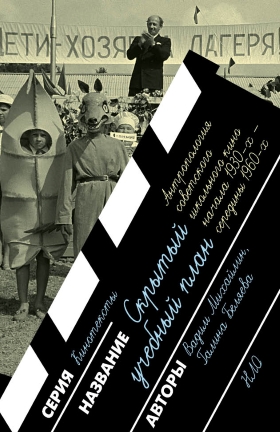
Series: New Cinema Studies
2020. 140 x 215 mm. Hardcover. 584 p.
ISBN 978-5-4448-1223-5
Buy the e-book:


Annotation: Based on a specific compromise between the prescriptions of propaganda and the social demands of audiences, Soviet “school cinema” is an extremely curious phenomenon in the history of world cinematography. The stories that it told were often built like nested matryoshka dolls: a simple external plot could conceal a variety of messages—from the search for horizons of personal development to hints at changes in the general line of the Communist Party. This book is devoted to how these meanings were formed and transmitted, and it pays particular attention to the ways in which different messages found correlation in one and the same utterance.