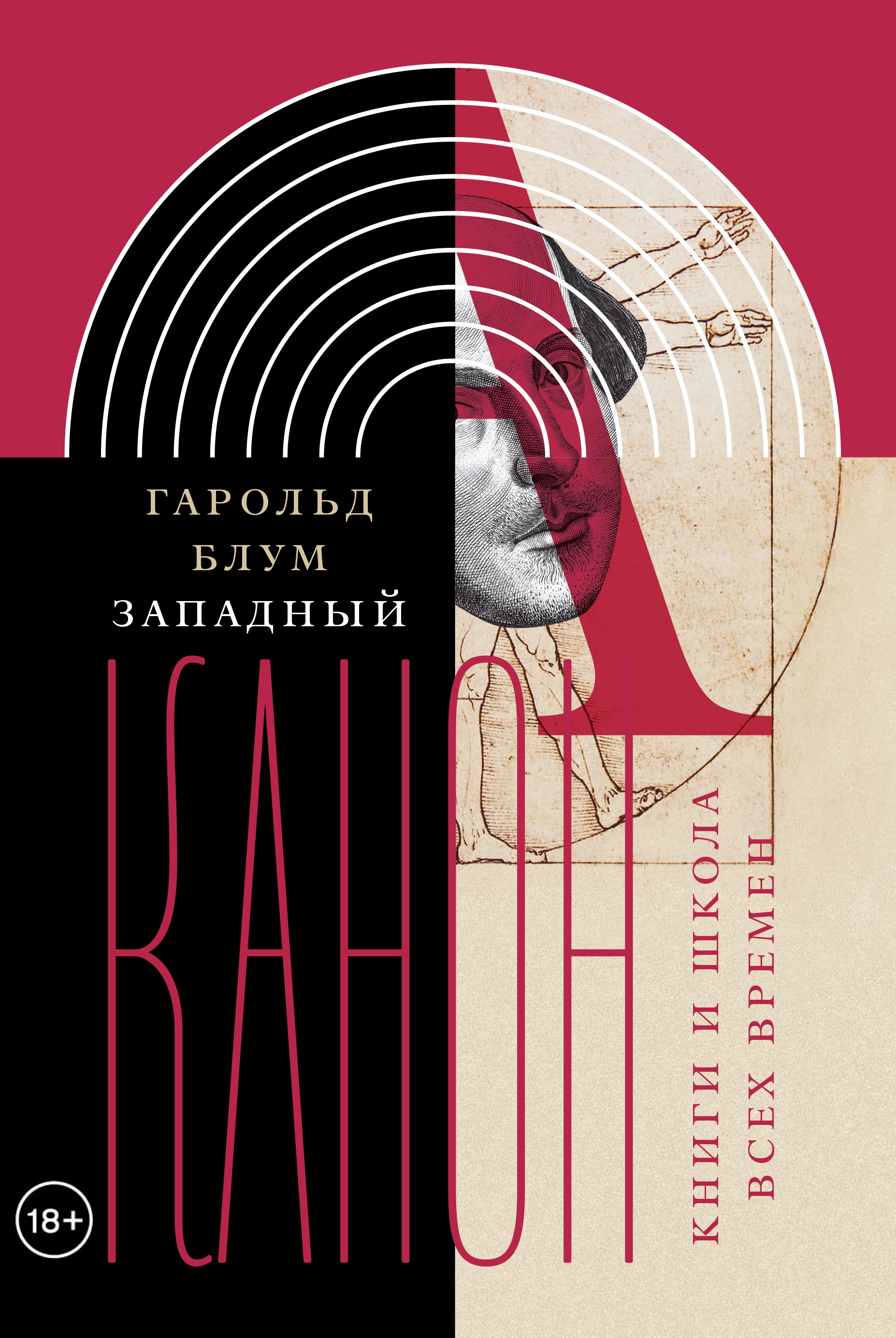

2025. 140 x 212 mm. Hardcover. 880 p.
ISBN 978-5-4448-2569-3


Annotation: The Ideological Outlook, Ideology, and Collective Representations of the Muscovite Tsardom from the 15th to the Early 18th Century: How extensive was the circle of supporters of 'high-brow' teachings, and how meaningful were the concepts of political culture? Can we speak of the Russian state of this period as an empire, monarchy, or republic? Who did the subjects of this country consider themselves to be, and which collective identities did they find significant for themselves? Why, in addition to chronicle writing, and partly replacing it, did such a genre of self-awareness as history emerge, and how did the past of historians differ from the past of chroniclers and annalists? The focus of the study included such ideologemes as the people and Holy Rus, the tsar and emperor, post-apocalyptic history and the Third Rome, and forms of collective political action such as the people's cause, the common affair, citizenship. Despite the non-modern communication technologies, intense sacred reading, and instability of sovereignty doctrines, Russian culture during this period was a legitimate part of the Renaissance world, as evidenced by polemical works, lexicographical and historical statements by intellectuals, monuments of ceremonial, historical, political, and everyday thought, as well as traces of the reception of events in the world, anonymous discourses, and visual representations of the present and past. The Muscovite Tsardom was also drawn into one of the most significant discussions of the modern era—about disarmament as a necessary condition for civil life. Konstantin Yerusalimsky — Doctor of Historical Sciences, Professor at the European University in St. Petersburg.
New in series Intellectual History